How Brick Paver Walkway Installation Improves Your Outdoor Space
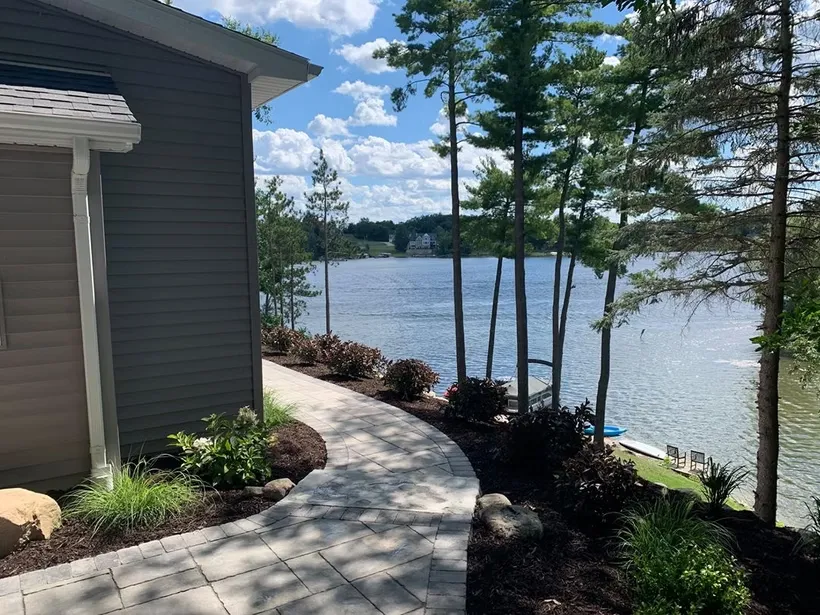
A well-planned Brick Paver Walkway provides essential structure, curb appeal, and clean foot traffic flow for residential yards. Homeowners need heavy-duty pathways that direct visitors safely, eliminate mud, and connect outdoor living space features for better functionality. Envious Landscape & Construction builds custom paver installations tailored to local properties.
Key Takeaways
- Upgrade Property Value: Install high-density paver paths to raise home market appeal.
- Guarantee Hardscape Longevity: Hire specialized contractors who build deep crushed-aggregate bases.
- Custom Layout Integration: Match custom interlocking brick patterns directly to home exteriors.
- Resist Severe Frost Heave: Select freeze-thaw-resistant units that hold up against Michigan winters.
- Direct Professional Execution: Partner with Envious Landscape & Construction for exact site preparation.
Why Should You Install a Brick Paver Walkway on Your Property?
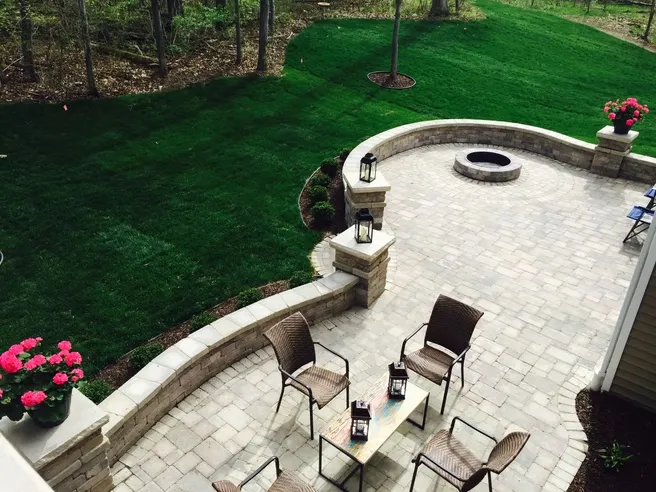
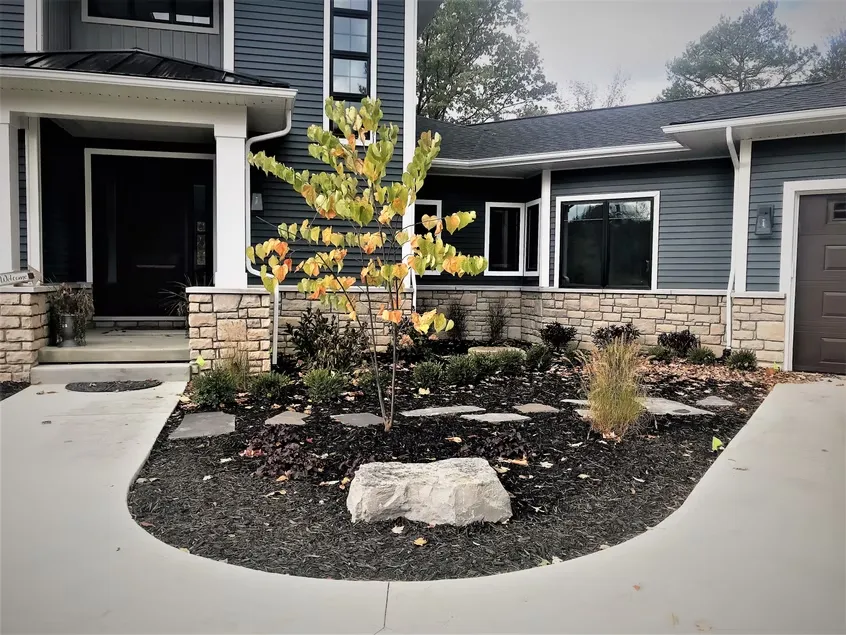
Installing a Brick Paver Walkway creates a clean path through outdoor spaces while adding physical property value. Poured concrete cracks when soils shift, but individual pavers adapt to ground movement without breaking. Homeowners select customized layout patterns, decorative border and pattern options, stone colors, and borders that align with site architecture. Pathing connects driveways, patios, and outdoor entrances seamlessly.
How Does Site Preparation Prevent Brick Paver Walkway Failure?
Site preparation stops Brick Paver Walkway sinking by establishing proper base compaction and water drainage before laying materials. Contractors evaluate soil density, water movement, and traffic loads across Linden yards. Excavating to correct depths prevents long-lasting walkway stability under foot traffic. Proper pitching sheds water away from foundation walls naturally.
The Professional Installation Sequence
- Site Excavation & Foundation Prep
- Dig down 8 to 12 inches to remove unstable topsoil and soft subgrade organic matter.
- Compact subgrade soil using heavy plate compactors to prevent future deep-settlement dipping.
- Aggressive Base Compaction
- Spread crushed aggregate in thin, three-inch lifts to ensure uniform density throughout.
- Run mechanical compactors over each base lift until achieving total structural density.
- Precision Screeding & Setting
- Spread a sharp sand setting bed at a uniform one-inch thickness over compacted stone.
- Hand-lay structural pavers in specified interlocking geometric patterns without disturbing setting sand.
Which Brick Paver Walkway Design Choices Work Best for Residential Pathways?
Selecting interlocking patterns like herringbone or running bond distributes foot loads evenly while matching home architecture. Paver systems offer diverse colors, textures, and dimensions to fit unique landscape styles. Curved pathways soften rigid property boundaries, while custom border and edging options enhance visual appeal and structural support. Straight pathways create formal, clean lines, and contrasting border courses lock in edge stability and visual contrast.
Hardscape Options
- Front Entrance Pathways: Direct guests cleanly from driveways straight to front porches.
- Garden & Backyard Connections: Connect detached patios, outdoor kitchens, and shed doors.
- Heavy Traffic Protection: Shield lawn turf from foot traffic damage using dense pavers.
Key Technical Terms
- Polymeric Joint Sand: High-tech sand containing chemical binders that hardens in paver joints to stop weed growth.
- Crushed Base Aggregate: Dense angular stone layer compacted beneath sand to carry physical loads.
- Snap-Edge Restraints: Spike-anchored heavy plastic edging that keeps perimeter pavers from spreading outward over time.
- Interlocking Load Distribution: Structural geometry where individual pavers share weight across adjacent units.
Pro Tip for Long-Term Paver Performance
Contractor Knowledge: The biggest mistake DIYers make is skipping joint sand maintenance. Always sweep fresh polymeric sand into the paver joints every three seasons. This simple step supports long-term surface stability by preventing sand wash-out, locking out weed seeds, and keeping rainwater from penetrating under the pavers where winter freeze-thaw cycles cause ground shifting.
Elevate Your Landscape's Functionality With A Brick Paver Walkway
Upgrading your home with a custom Brick Paver Walkway provides lasting curb appeal, safe passage, and strong foundation performance across all seasons. Envious Landscape & Construction handles the heavy digging, base compaction, and precision laying so you never have to worry about sunken stones.
- Schedule a Site Visit: We measure your yard, assess drainage, and plan your ideal path layout.
- Select Materials & Colors: Choose pavers that match your home’s exterior and hardscape budget.
- Enjoy Built-To-Last Paths: Relax while our team completes site prep, base work, and installation.
Schedule Your Free Brick Paver Walkway Installation Estimate Today
Ready to transform your lawn’s layout with expert hardscaping? Call Envious Landscape & Construction at (810) 208-7822 today to request a free installation estimate in Linden and Fenton. Contact us today!
Frequently Asked Questions
Q: How long will a professionally installed walkway last?
A: A professionally installed paver walkway lasts 30 to 50 years. Proper excavating, base compaction, and joint sand maintenance ensure the stone units remain level and structurally intact through decades of seasonal ground shifts.
Q: Can paver colors match my home’s exterior design?
A: Yes. Pavers come in dozens of shades, textures, and styles ranging from classic clay reds to modern slate grays. Contractors easily match or contrast pavers with your home brick, siding, or surrounding stone.
Q: Do paver pathways require constant routine maintenance?
A: No. Paver pathways require minimal maintenance beyond routine sweeping and rinsing. Reapplying joint sand every few years prevents weed growth and stops stones from shifting out of position under heavy use.
Q: Are paver walkways better than poured concrete paths?
A: Yes. Paver walkways adapt to ground freezing and settling without cracking across the surface. If an individual stone breaks or stains, contractors replace that specific unit without tearing up the entire path.
Q: How long does typical walkway installation take to finish?
A: Most residential walkway projects take 2 to 4 days to complete. Timeline variations depend on total path square footage, site excavation needs, complex pattern cuts, and weather conditions during base installation.